
Animal Consumption

Over the last six decades, meat consumption around the world has grown significantly. The number of animals killed for food has gone up sharply, from about 8 billion in 1961 to over 84 billion in 2023. Poultry, especially chicken, makes up most of this growth. This shows how people’s eating habits have changed, with more choosing cheaper and easier-to-find sources of protein.
This rising trend isn’t just about numbers. It shows how growing incomes, city life and a bigger global population are changing the way we eat. As more people want animal products, it raises important questions about how we treat animals, how we care for the planet and how we make sure there’s enough food for everyone. This is where the story really begins: looking deeper into how large-scale factory farming affects both people and the planet.
We can see two clear trends in how meat consumption has changed over time. First, the average amount of meat each person eats has steadily increased from 1960 to 2022. Poultry and pig meat have grown the most, with both now being eaten more than beef. Chickens, especially, shows a sharp rise, a sign of how popular it has become because it’s often cheaper and easier to get.
Looking at different countries in 2022, the differences in meat consumption are striking. The United States tops the list, with each person eating around 122 kilograms of meat per year. Argentina and Australia also have high levels of consumption. On the other hand, India has the lowest, with just 7 kilograms per person. This contrast shows that while global demand for meat is rising, eating habits still vary a lot from country to country.

Environmental Impact

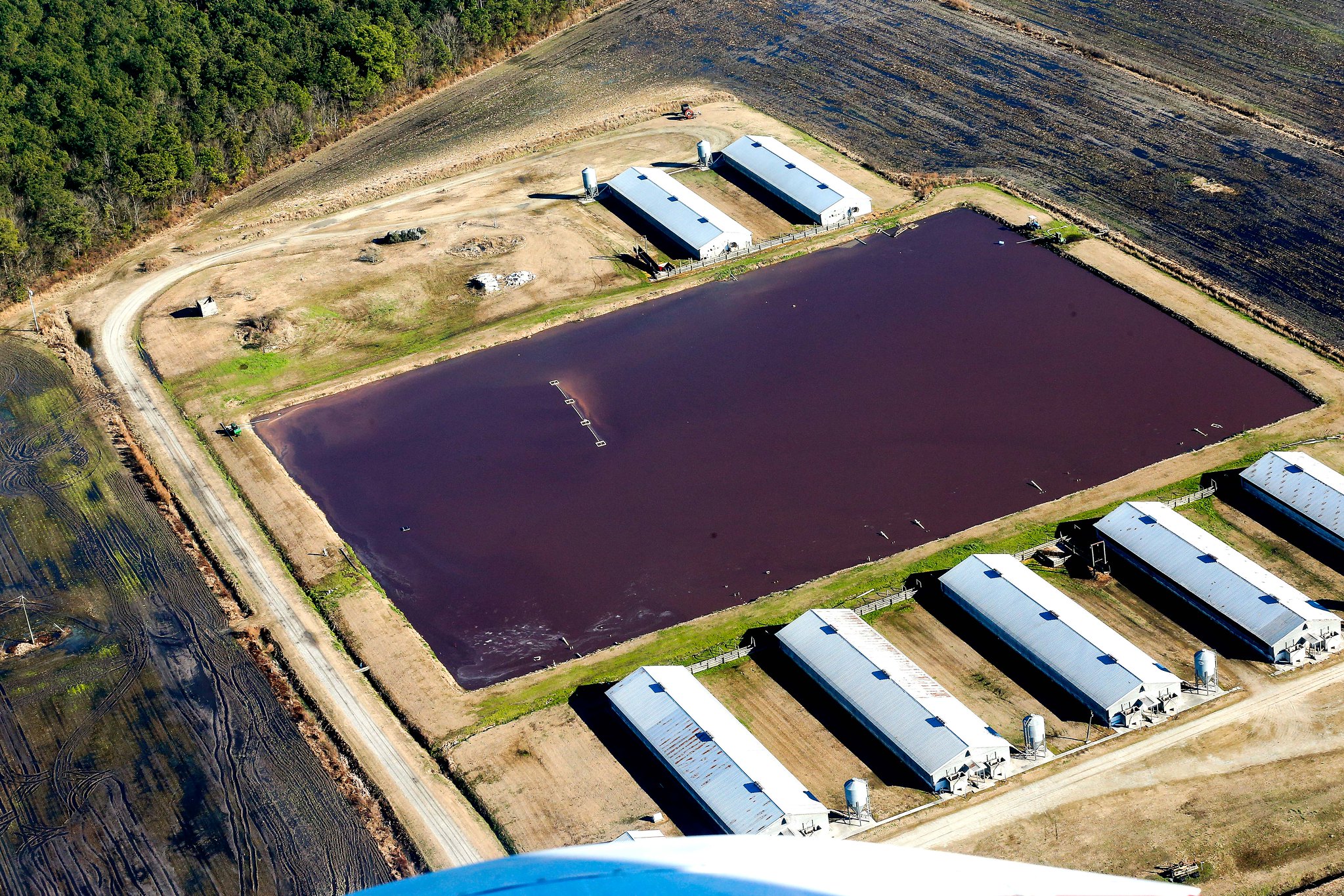
After looking at how meat consumption has changed around the world, it’s important to understand the impact factory farming has on the environment. Producing animal products like meat, cheese and eggs, often requires far more resources than plant-based foods. For example, when we compare how much land is needed to produce one kilogram of food, animal products stand out as much more demanding. Animals need space to live and grow and they also need large amounts of feed, which requires land to grow. Lamb and mutton use the most land by far, at nearly 370 square meters per kilogram, followed closely by beef. In contrast, most plant-based foods need much less land, with only a few exceptions like dark chocolate.
Water use shows a similar pattern, though there are some differences. Animal products take most of the top spots, lamb, beef, cheese and prawns all require large amounts of water to produce. Prawns, in particular, use far more water than expected based on their low land use, likely because they are often farmed in freshwater systems. Overall, both in terms of land and water use, lamb and beef are clearly among the most resource-heavy foods we consume.
Let’s now shift our focus to the emissions from factory farming and crop production across different continents. The chart shows the total emissions from both methane (CH4) and carbon dioxide (CO2), with emissions from factory farming marked in orange and those from organic farming in blue. Looking at the data, we can see a clear trend: emissions from livestock are much higher than from crops across all continents and this pattern has remained consistent over the years.
When we look specifically at factory farming emissions, there’s a noticeable spike from 1990 onward on three continents namely Asia, Africa and America. Asia and Africa have the largest increases, while America has a more moderate rise. Europe’s emissions from factory farming are interesting because they actually decreased between 1990 and 2011. Oceania, on the other hand, has much lower factory farming emissions than the other continents and does not show the same yearly increase. In terms of organic farming, emissions have remained relatively stable, though there have been small increases over time. Asia, however, produces more organic emissions than all other continents combined, with a steady rise. Africa and America also see gradual increases, while Europe has reduced its organic emissions since 1990. These patterns emphasize the need for tailored strategies to reduce emissions in different regions.
Looking at the country map, Brazil, India and China are the world leaders in emissions from Factory Farming. India is an interesting case since it does not consume a lot of meat but mainly produces it.

Global Hunger & Food Inefficiency
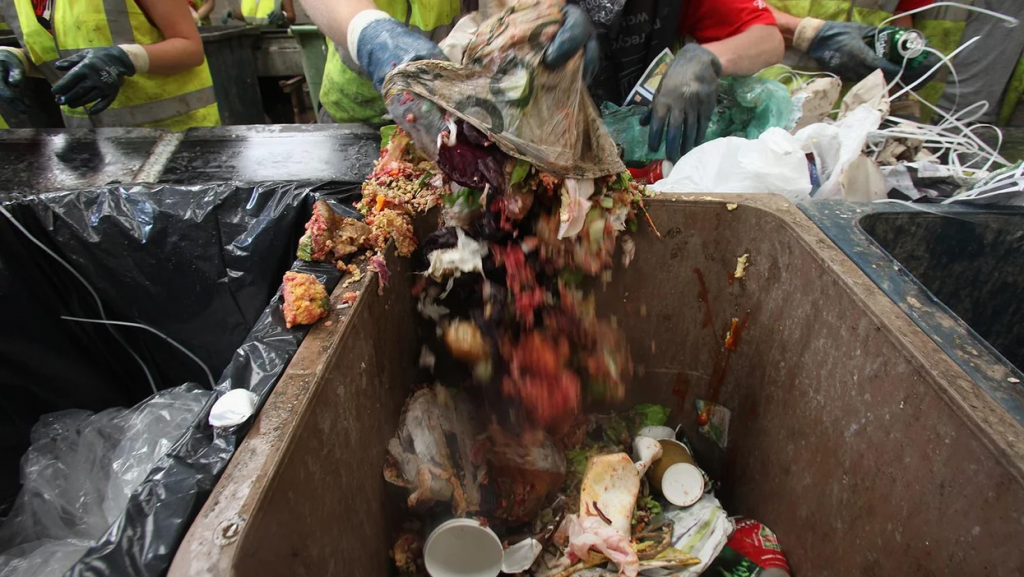
The environmental impact of factory farming, including resource depletion and waste, directly contributes to global hunger and food inefficiency by diverting crops from human consumption to livestock, while food waste further exacerbates the issue. In 2019, the average person in seven major countries wasted nearly 1,129 kilograms of food per year, with households being responsible for over two-thirds of this waste and by 2022, this number rose to 1,256 kilograms per person. The impact of waste is particularly severe for animal-based products, as discarded meat or dairy represents not just wasted food, but also lost water, land, feed and animal lives, emphasizing the true cost of factory farming beyond the point of production.


At the same time, many parts of the world still struggle to meet basic nutritional needs, as shown by the map highlighting severe undernourishment in sub-Saharan Africa and South Asia. In contrast, regions like North America and Europe show low levels of hunger. While global hunger declined from 2000 to 2015, it sharply reversed after 2019.
Another factor is the inefficient use of agricultural resources, with a large portion of crops diverted to animal feed rather than directly feeding people. If we prioritized growing food for people instead of livestock, could we reduce hunger more effectively? The data suggests that rethinking our food production systems is key to creating a more equitable and sustainable global food system.
These insights reveal a global food system that falls short of meeting human needs, where millions experience hunger while high-income nations waste food and prioritize livestock feed for meat-centric diets. To tackle global hunger and environmental challenges, we must shift our agricultural focus from feeding animals to feeding people, realigning priorities to build a more equitable and sustainable food system.


Public Health

Beyond environmental and ethical concerns, the focus on meat production also presents serious public health risks. Red meat consumption has become a major health crisis, with over 300,000 annual deaths linked to red meat-related diseases by 2021, a number that has steadily risen since the mid-2000s. While earlier data from the 1990s showed stable rates, the sharp rise in recent years suggests a shift in consumption patterns, increased exposure, or intensified health effects. The majority of these deaths (73.39%) are linked to neoplasms, with 23.79% attributed to diabetes and kidney diseases and 2.82% to cardiovascular conditions. This widespread impact on multiple systems underscores the need for dietary reform and stronger public health policies to address preventable diseases, with the understanding of red meat’s health cost serving as the first step toward a healthier, more sustainable food future.
Closely tied to the public health risks of meat consumption is the widespread and uneven use of antibiotics in livestock production. While Europe has made progress and the Americas saw a decline, Asia remains the highest consumer, peaking at 1,344 mg/kg in 2016. Despite some regional improvements, global antibiotic use remains high, averaging over 600 mg/kg in many areas. This reliance on antibiotics for both treatment and growth enhancement highlights the need for coordinated international action and stricter regulations to preserve the effectiveness of antibiotics in medicine.

The evidence is clear: the industrial model of factory farming is at the heart of several global crises, from environmental degradation to public health concerns. Rising global meat consumption has led to a dramatic increase in resource use, water depletion and greenhouse gas emissions. Meanwhile, the inefficiency of factory farming exacerbates global hunger, diverting essential crops to livestock feed rather than directly feeding people, deepening food inequality. At the same time, the public health risks associated with high meat consumption, including chronic diseases and antibiotic resistance, underscore the urgent need for reform. Tackling these interconnected issues requires coordinated global efforts, stronger policies and a shift toward more sustainable and ethical food systems. Only through collective action can we reduce the harm caused by industrial factory farming, protect both human health and the environment and ensure a more equitable, sustainable future for all.